


A Simple Device That Catches You Before You Fall Asleep
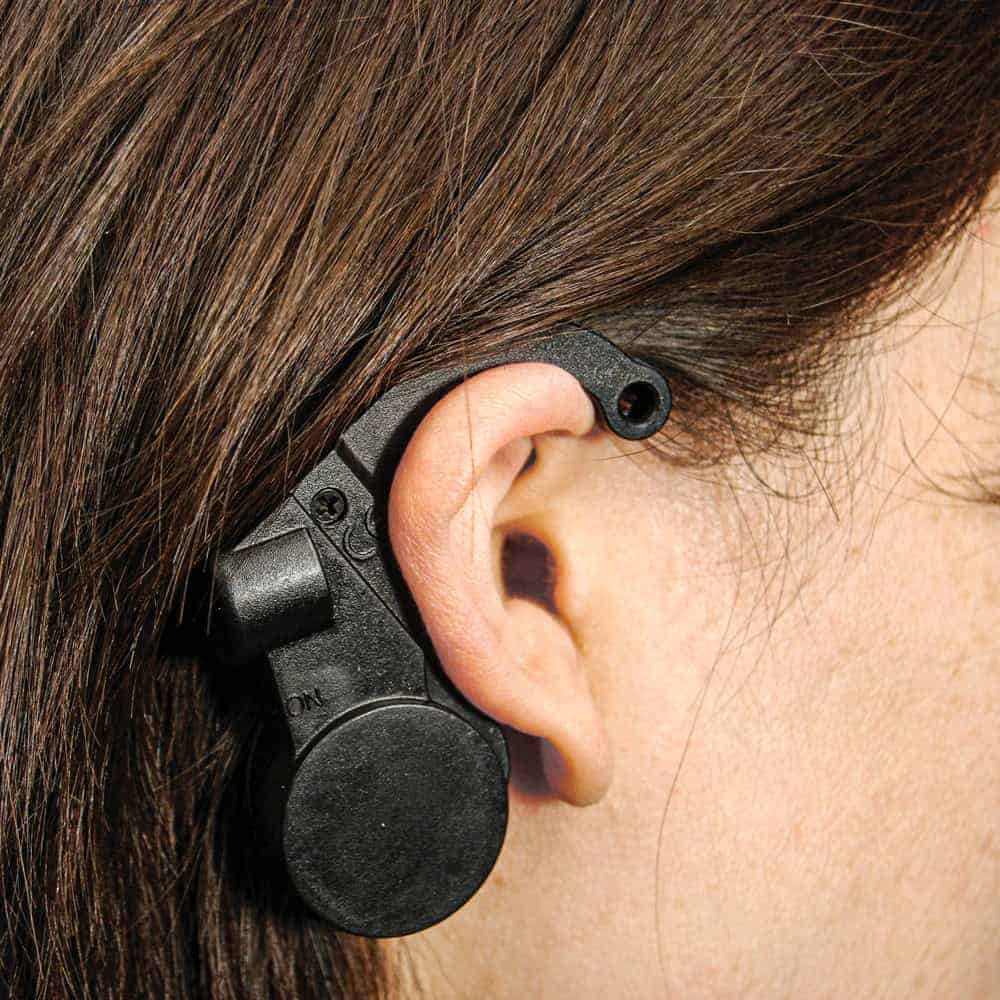
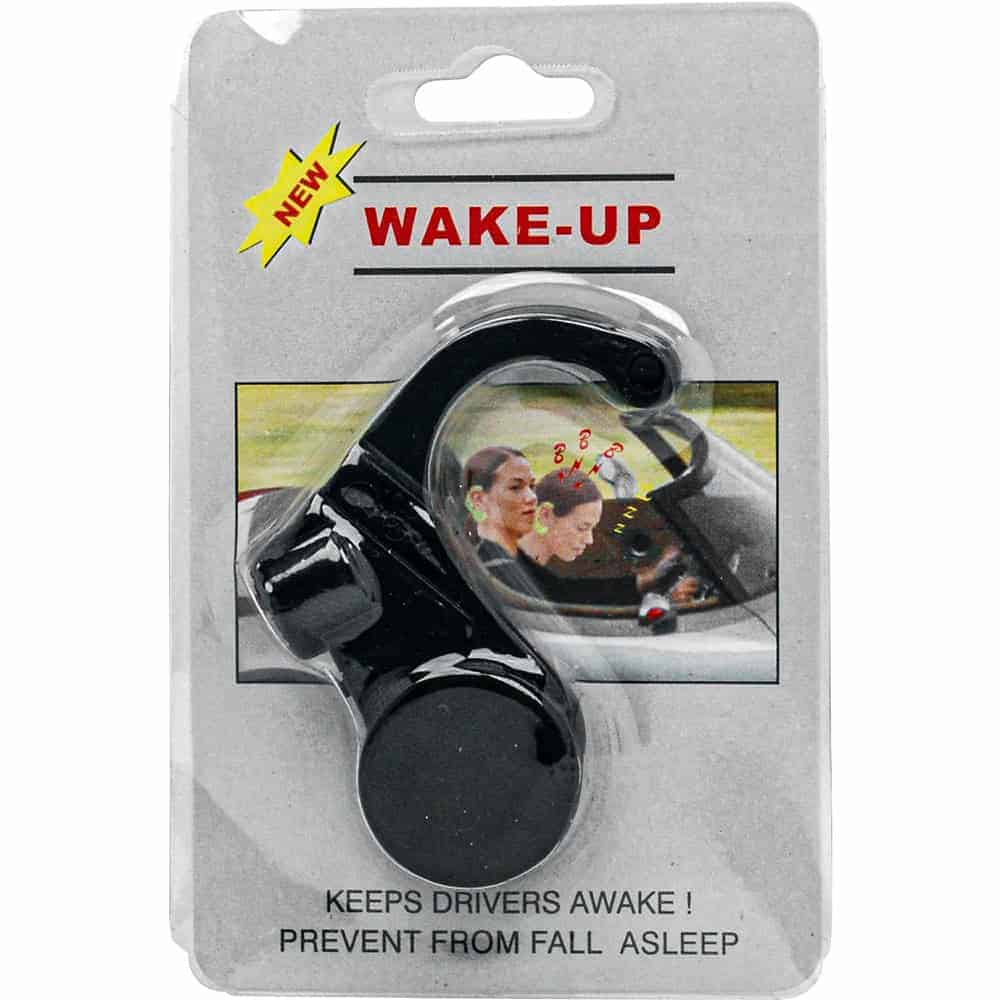
Drowsy driving is a real and common hazard. The problem is that by the time most people realize they’re falling asleep, they’ve already drifted. The Nap Alarm addresses this with a straightforward approach: wear it over your ear, and if your head drops forward past a certain angle — the physical position that precedes sleep — it sounds an alarm immediately. The intervention happens before the moment of sleep, not after.
It’s small, lightweight, and runs on batteries that come in the box. Nothing to charge, nothing to configure.
Who This Drowsiness Alarm Is For
The most obvious use is driving. Long-haul commuters, truck drivers, and anyone covering distance on highways where monotony builds over time will recognize the feeling of fighting to stay focused. The Nap Alarm gives you an objective alert when your head starts to drop, regardless of how awake you think you are.
Security guards working overnight shifts are another practical user group. Staying alert through hours of low-activity monitoring is genuinely difficult, and the consequences of nodding off on duty are serious. Wearing the Nap Alarm provides a reliable backup that activates on the first sign of a lapse.
Machine operators, students studying for extended periods, and anyone in a role where sustained attention matters can also benefit. The device doesn’t measure mental alertness — it measures what mental fatigue eventually does to your head position. That makes it a practical, no-technology-overhead solution for a very human problem.
Is This the Right Choice for You?
Choose the Nap Alarm if you want:
- A passive alert that activates without any action on your part
- A lightweight, wearable solution you can use while driving
- No charging, no app, no connectivity — just a battery-operated device
- An affordable, practical tool for shift workers or long-distance driving
Consider something else if you need:
- A solution that works without wearing anything on your ear
- Camera-based eye tracking or steering wheel monitoring technology
- Integration with a vehicle’s existing safety systems
How the Position Sensor Works
The Nap Alarm uses an electronic position sensor calibrated to detect the forward head tilt that occurs when a person starts to fall asleep. When upright and alert, the sensor remains silent. When your head drops past the threshold angle — which happens naturally in the early stages of sleep — the sensor triggers the 80dB alarm. That’s loud enough to be startling, which is exactly the point.
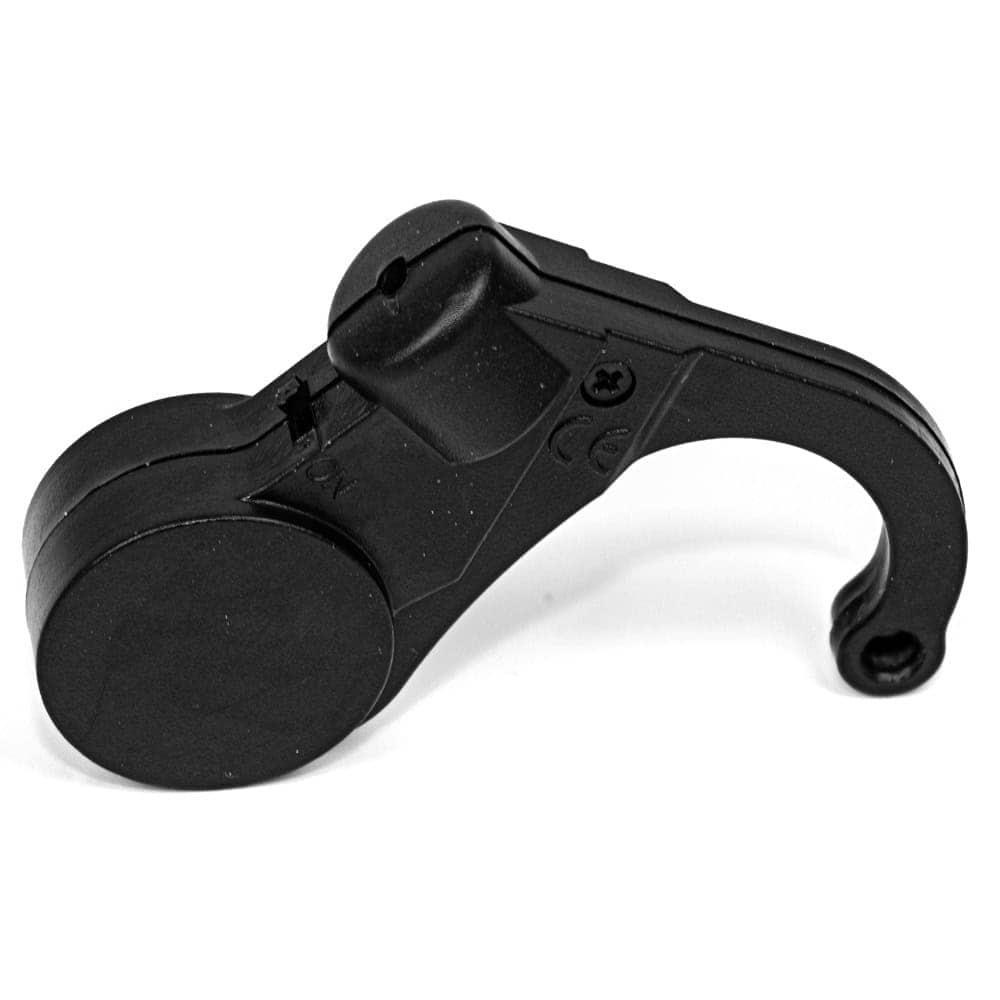
The ear-worn design keeps the sensor positioned consistently relative to your head, which is what makes the angle measurement reliable. It’s designed to fit comfortably without being obtrusive — at 0.06 lbs and the size of a small earpiece, most people adapt to wearing it within a few minutes.
The 80dB output is audible not just to the wearer but to passengers nearby. In a vehicle context, that means a sleeping driver doesn’t just get a personal alert — anyone else in the car hears it too. That shared awareness adds a layer of safety in situations where a passenger might otherwise not notice the driver drifting.
Quick Comparison: How Does the Nap Alarm Stack Up?
| Feature | Nap Alarm (Ear-Worn) | Smartwatch Fatigue Alert | In-Vehicle Drowsiness Detection | Caffeine/Energy Supplements |
|---|---|---|---|---|
| Passive Detection | Yes ✓ | Partial | Yes ✓ | No |
| Works While Driving | Yes ✓ | Yes | Yes ✓ | Yes |
| Cost | Low ✓ | High | Built-in or high cost | Recurring cost |
| Setup Required | None ✓ | App setup | Vehicle-specific | None ✓ |
| Works for Non-Drivers | Yes ✓ | Yes | No | Yes |
| Best For | Drivers, guards, students on a budget | General health tracking | New vehicle safety feature | Prevention before drowsiness |
Practical Details
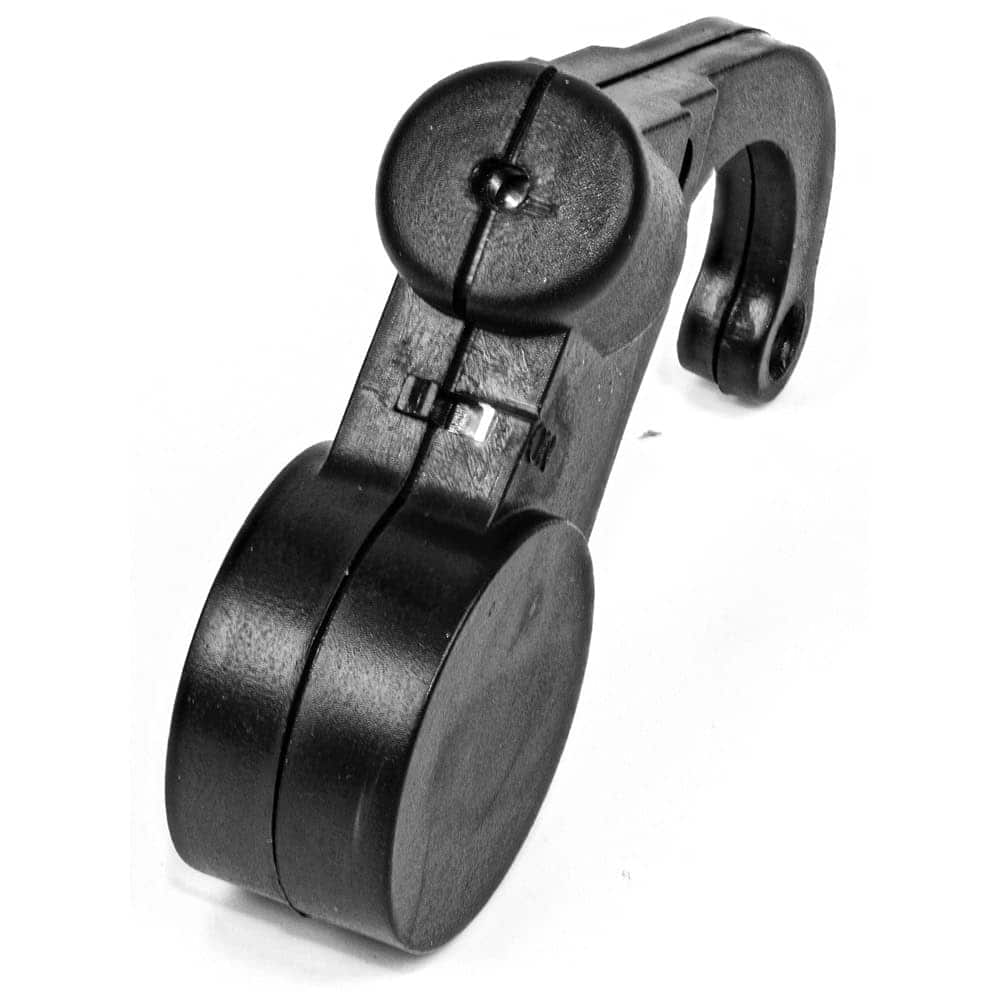
The Nap Alarm measures 1 7/8″ x 2 1/4″ x 5/8″ and weighs 0.06 lbs. It runs on 3 AG3 alkaline button cell batteries, which are included. The alarm output is 80dB. Worn over the ear, black finish. No warranty period is specified — contact us with any questions about the product after purchase.
If you regularly find yourself fighting fatigue on the road or through a long shift, this small device gives you an objective line of defense that doesn’t rely on you noticing the problem yourself.
Frequently Asked Questions
Will this work if I’m wearing glasses or a headset?
The Nap Alarm is designed to fit over the ear similarly to a bluetooth earpiece. Wearing glasses alongside it is generally possible since they sit on different parts of the ear. Compatibility with a headset depends on the headset design — over-ear headphones would likely conflict, while in-ear designs may not.
Does it sound the alarm for normal head movement, like checking mirrors?
The sensor is calibrated to detect the sustained forward tilt associated with falling asleep rather than brief, intentional head movements. Normal head turns for mirror checks or conversation are generally lateral rather than forward-dropping, so they typically don’t trigger the alarm. That said, unusually pronounced forward-leaning habits may occasionally trigger it.
How long do the batteries last?
AG3 button cell batteries are low-drain under normal use conditions. Exact battery life isn’t specified, but this type of device typically runs for many hours of active use on a set of three cells. Replacement batteries are inexpensive and widely available at most pharmacies and general merchandise stores.
Is this a substitute for pulling over and resting when truly fatigued?
No — and it’s worth being direct about that. The Nap Alarm is an early warning tool, not a solution for severe fatigue. If you’re genuinely exhausted, the appropriate response is to stop driving and rest. The device is most useful for catching early-stage drowsiness during long drives, not for pushing through exhaustion that has already set in.

Reviews
There are no reviews yet.