


Loud, Small, and Actually on You When It Matters
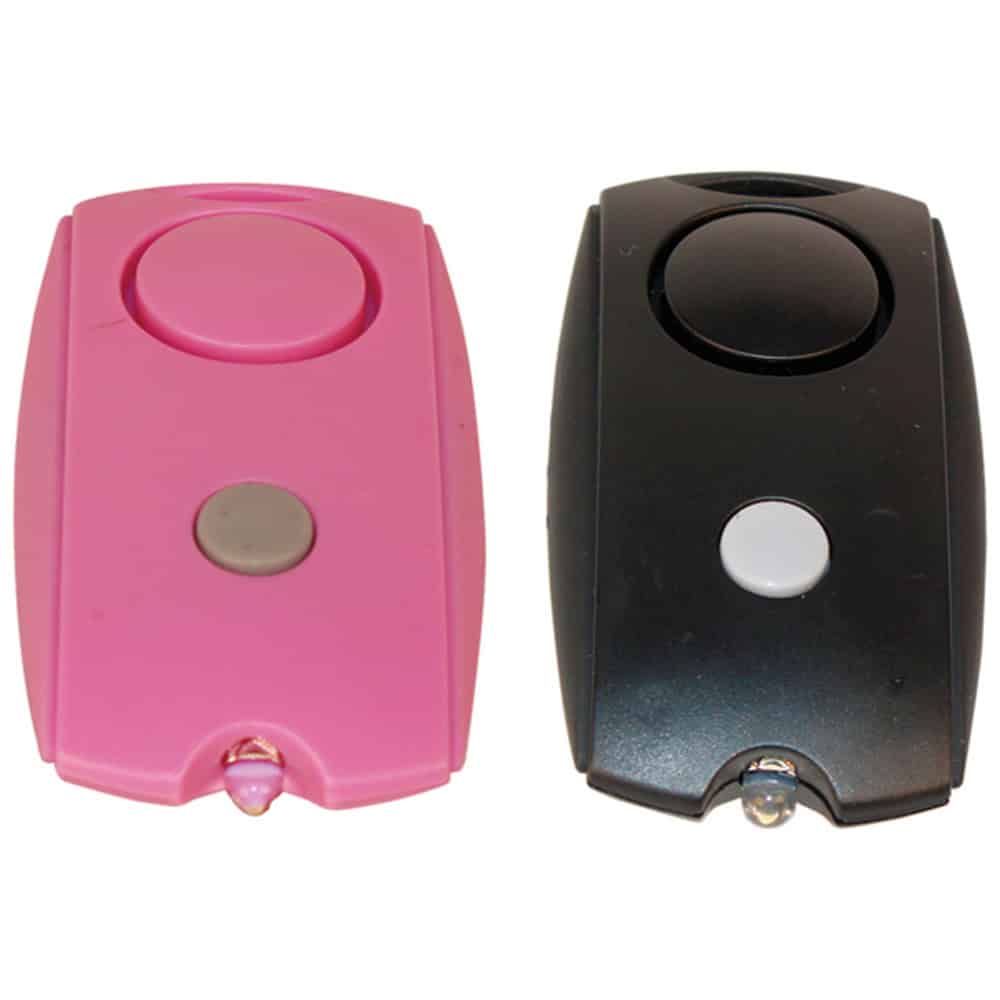
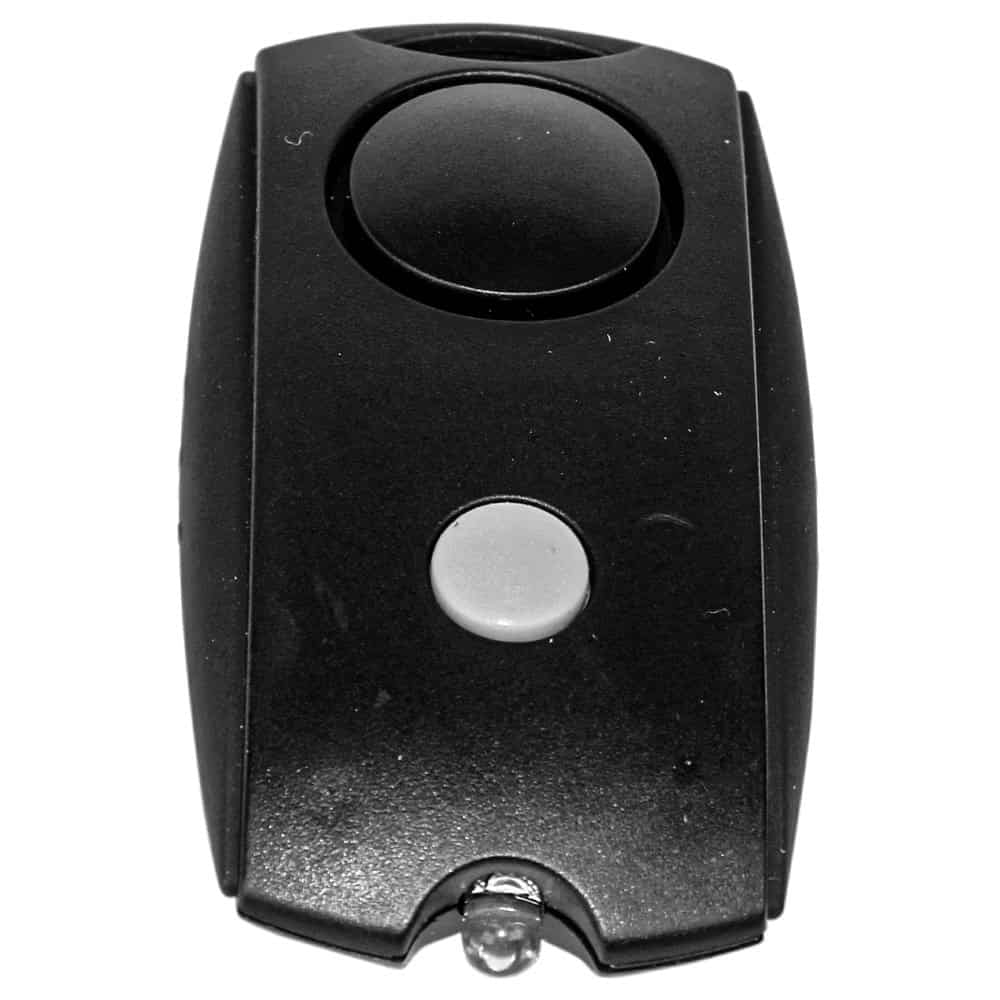
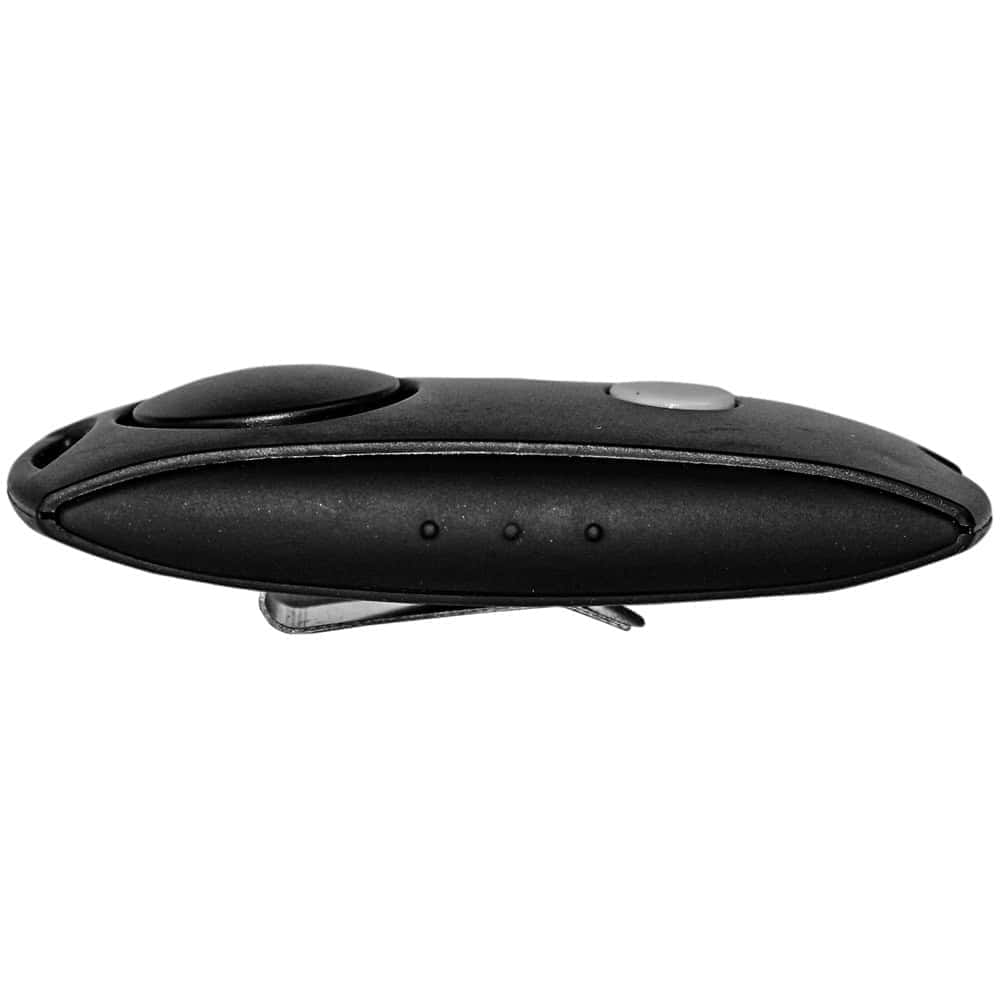
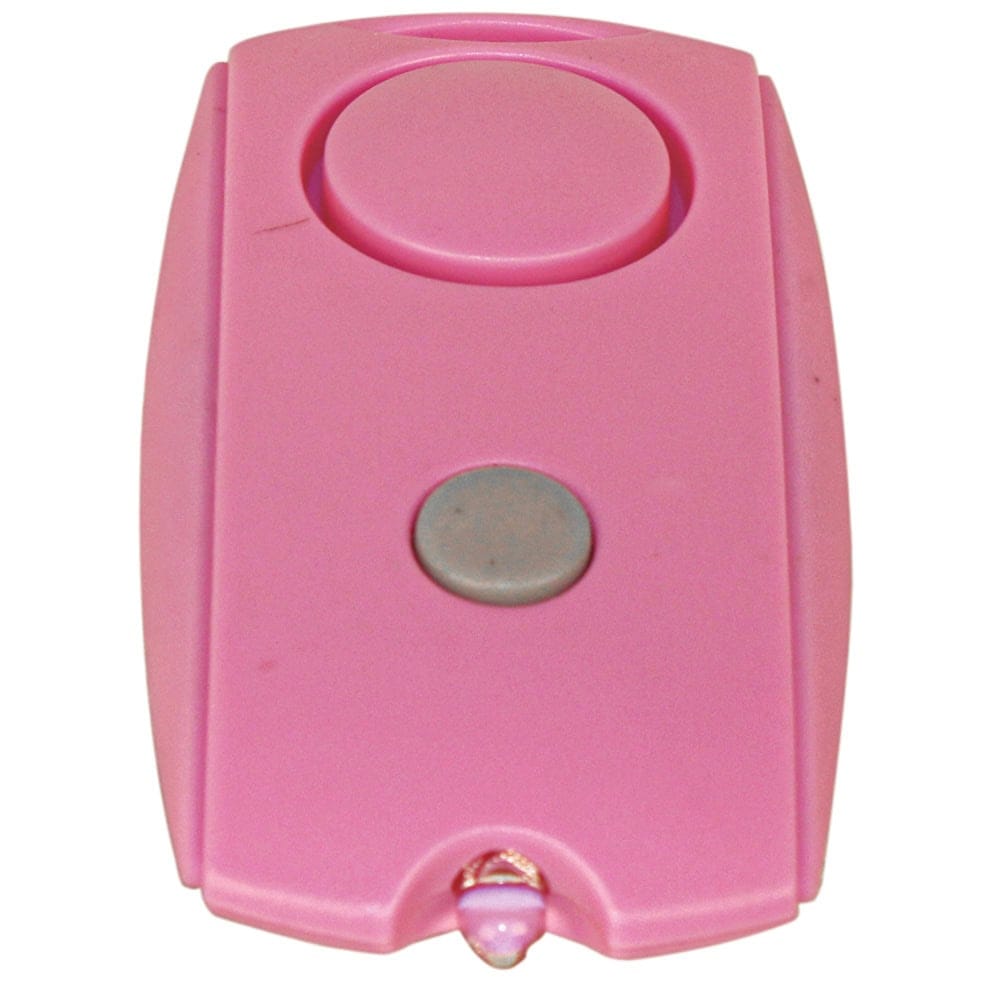
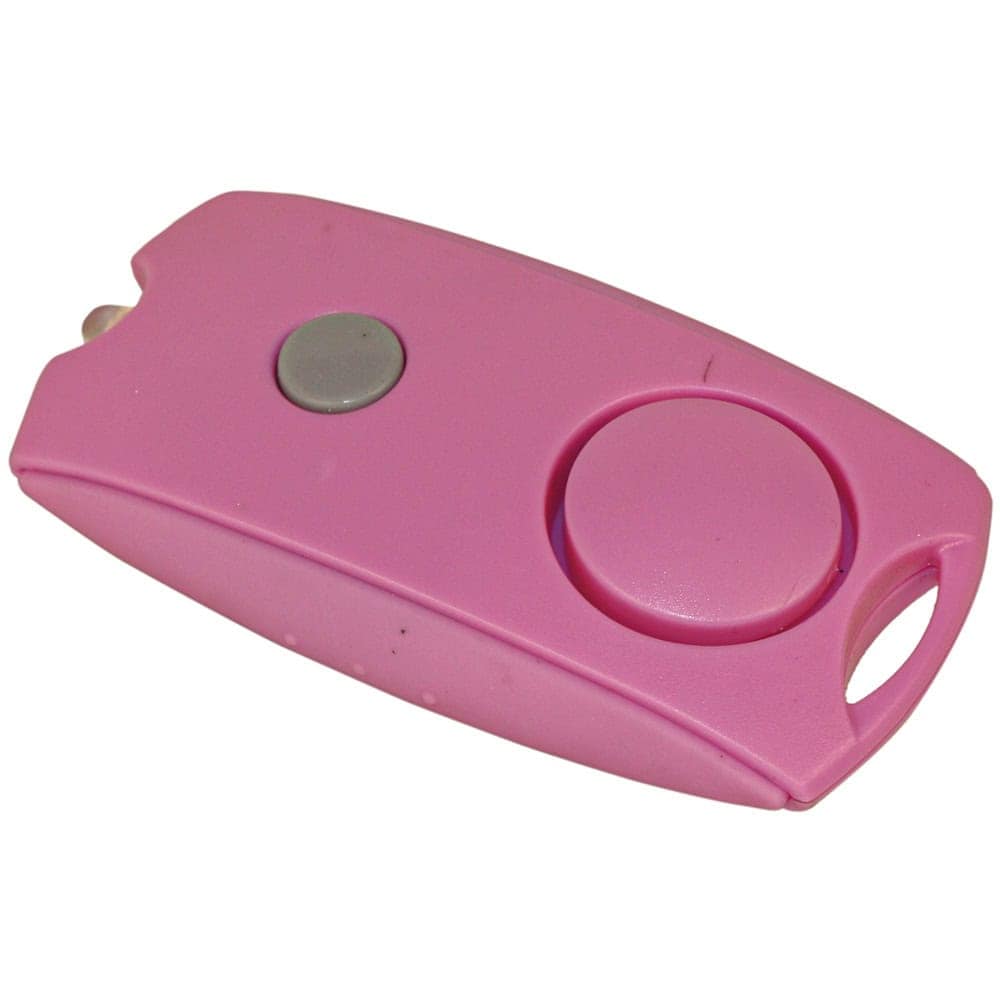
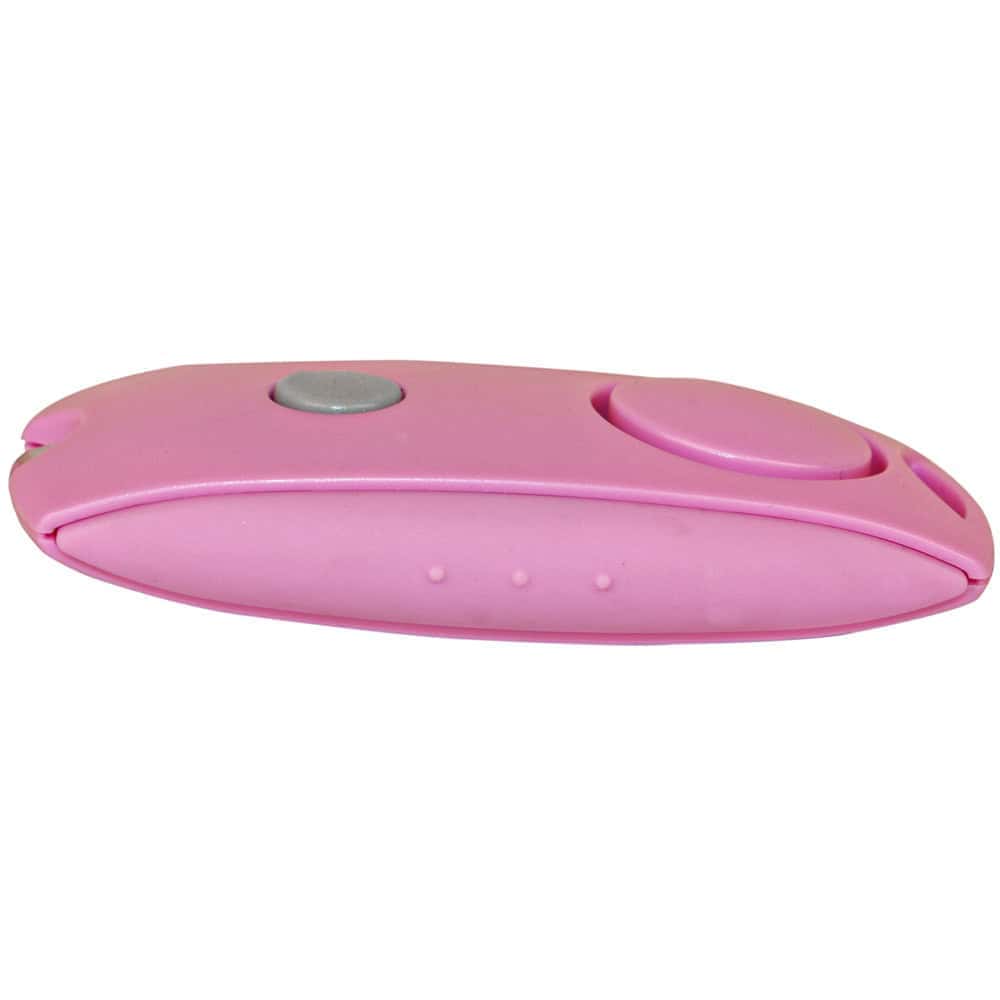
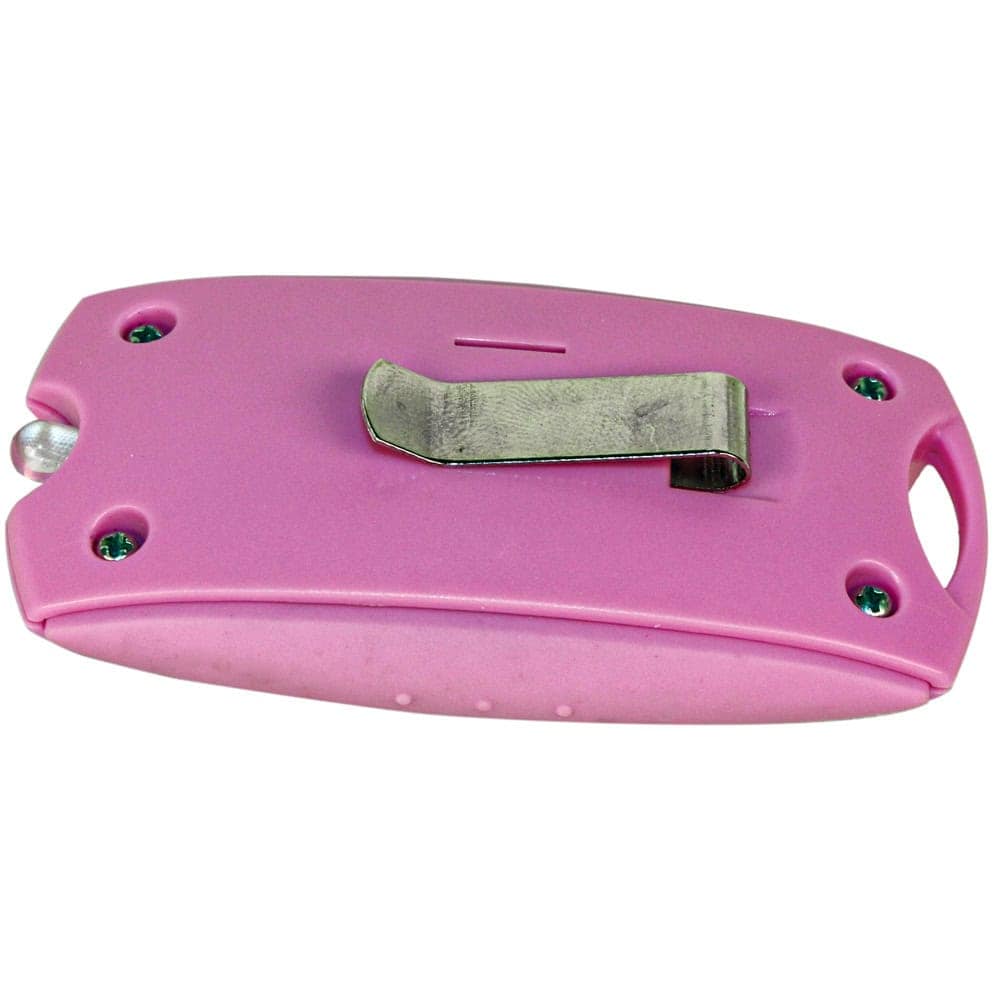
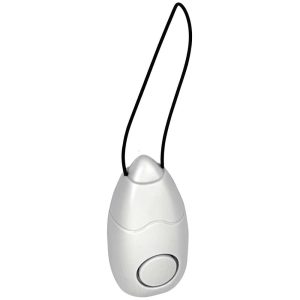
The most important quality in any personal safety tool is that you have it with you. A device that stays home in a drawer because it’s too bulky or inconvenient doesn’t protect anyone. The Mini Personal Alarm is small enough that there’s no real reason to leave it behind. At 3 x 1.5 x 0.5 inches, it clips to a belt, drops in a jacket pocket, or rides on a keychain without adding noticeable weight or bulk to your day.
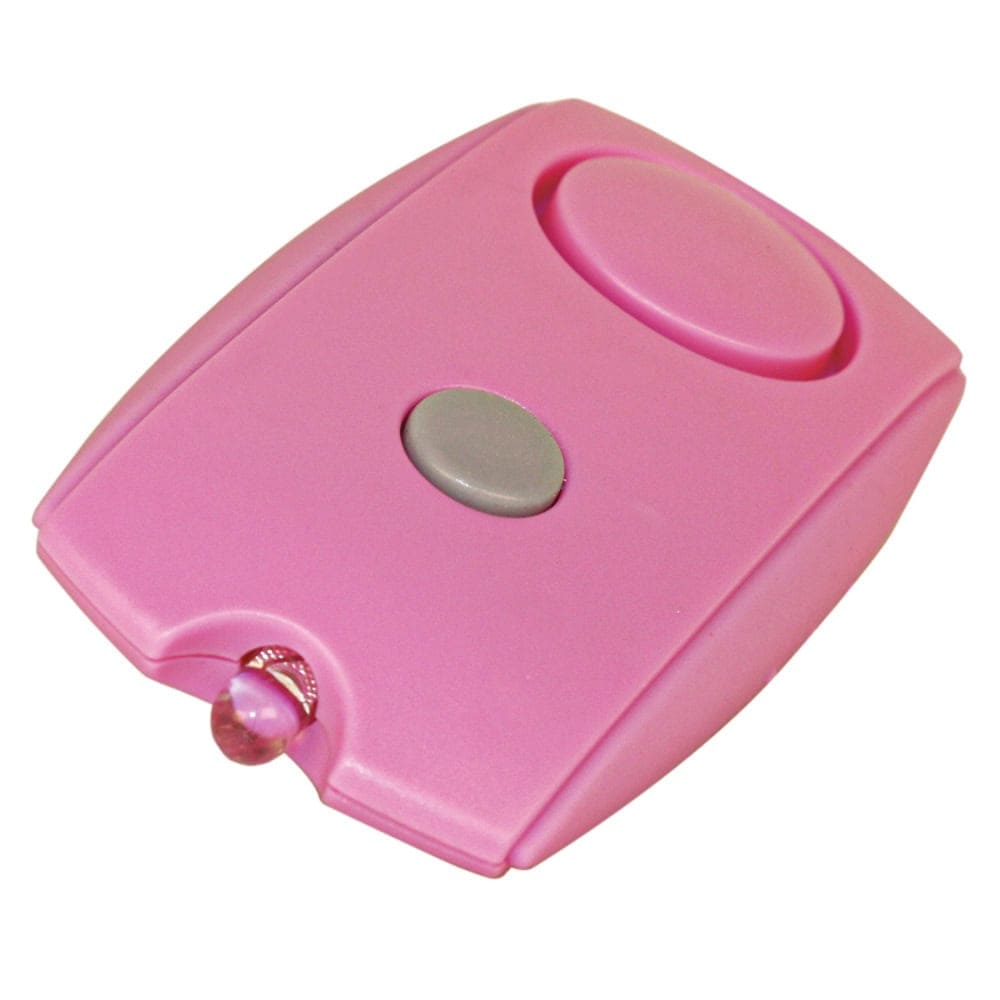
When activated, it produces a 120dB siren. That’s a meaningful number — it’s roughly equivalent to a car horn at close range. The purpose of that sound is twofold: it startles and disrupts an aggressor, and it signals to anyone nearby that something is wrong. Both responses are useful. The LED flashlight handles the quieter, everyday use case — walking to a car in a dark parking lot, finding a keyhole, checking under a seat.
Who This Personal Alarm Is For
College students who want something unobtrusive on a keychain will find this fits that need directly. It doesn’t require a permit, doesn’t need to be concealed, and works in environments where carrying a stun gun or pepper spray isn’t practical or permitted. Attach it to a lanyard or bag strap and it’s always accessible.
Parents equipping a teenager with their first personal safety tool often land on a personal alarm for good reason — it’s simple to operate, carries no risk of misuse against the carrier, and the operation is intuitive. Elderly individuals who want something that doesn’t require strength or precision under stress will find the single-button activation straightforward. Night-shift workers who walk alone to their vehicles are another natural fit. Dealers will find this moves well as an entry-level, low-barrier safety product for a broad demographic.
Is This the Right Choice for You?
Choose this personal alarm if you want:
- A no-permit, no-restriction safety option that’s legal everywhere
- Something small enough to live on a keychain without noticing the weight
- Dual function — 120dB alarm plus an LED flashlight in one compact device
- A first personal safety tool for a teenager, student, or someone new to self-defense options
Consider something else if you need:
- Active deterrence beyond sound — a stun gun or pepper spray provides physical intervention capability
- A deterrent that functions if bystanders aren’t nearby — the alarm’s effectiveness depends partly on others hearing it
How 120 Decibels Actually Performs in Real Conditions
120dB is the threshold where sound becomes physically uncomfortable for most people at close range. At that level, an alarm disrupts cognitive function, makes communication difficult, and draws attention from a meaningful distance outdoors. The response from an aggressor is often reflexive — unexpected loud noise causes people to hesitate and step back, which creates the space you need to move away from a threat.
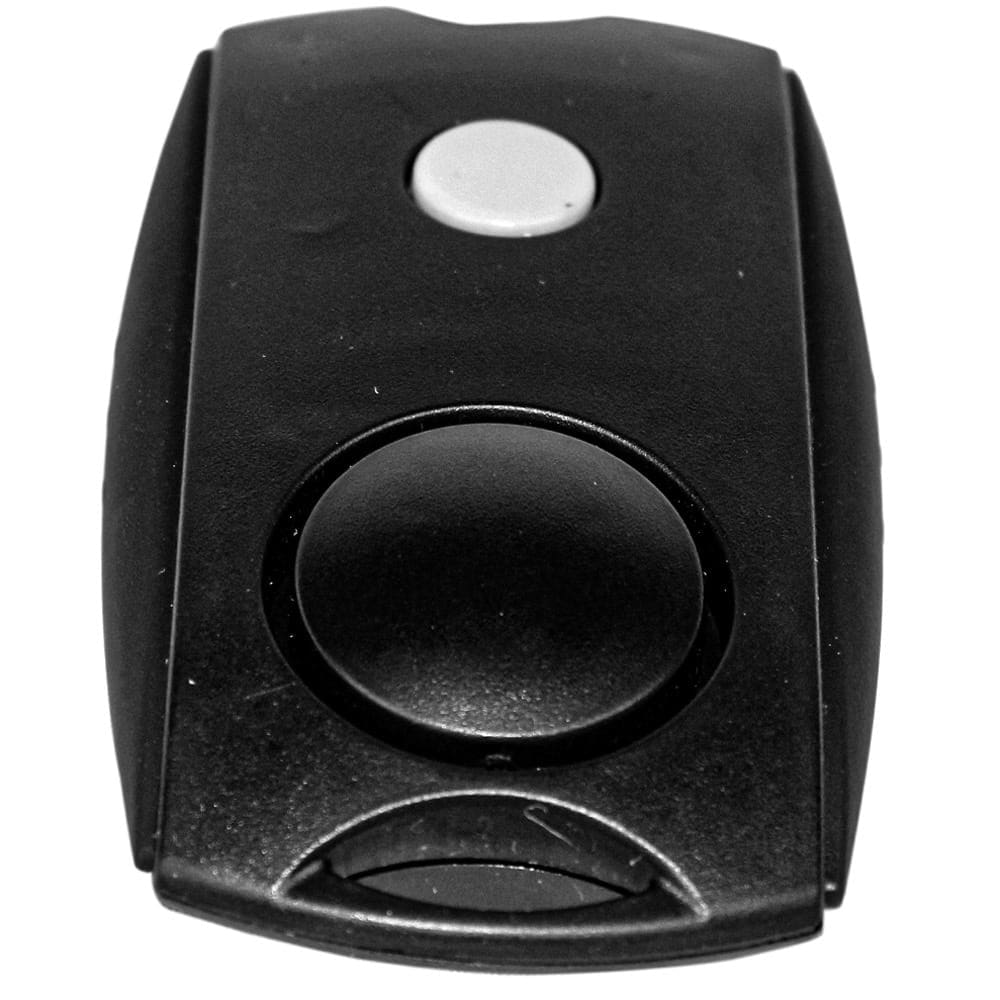
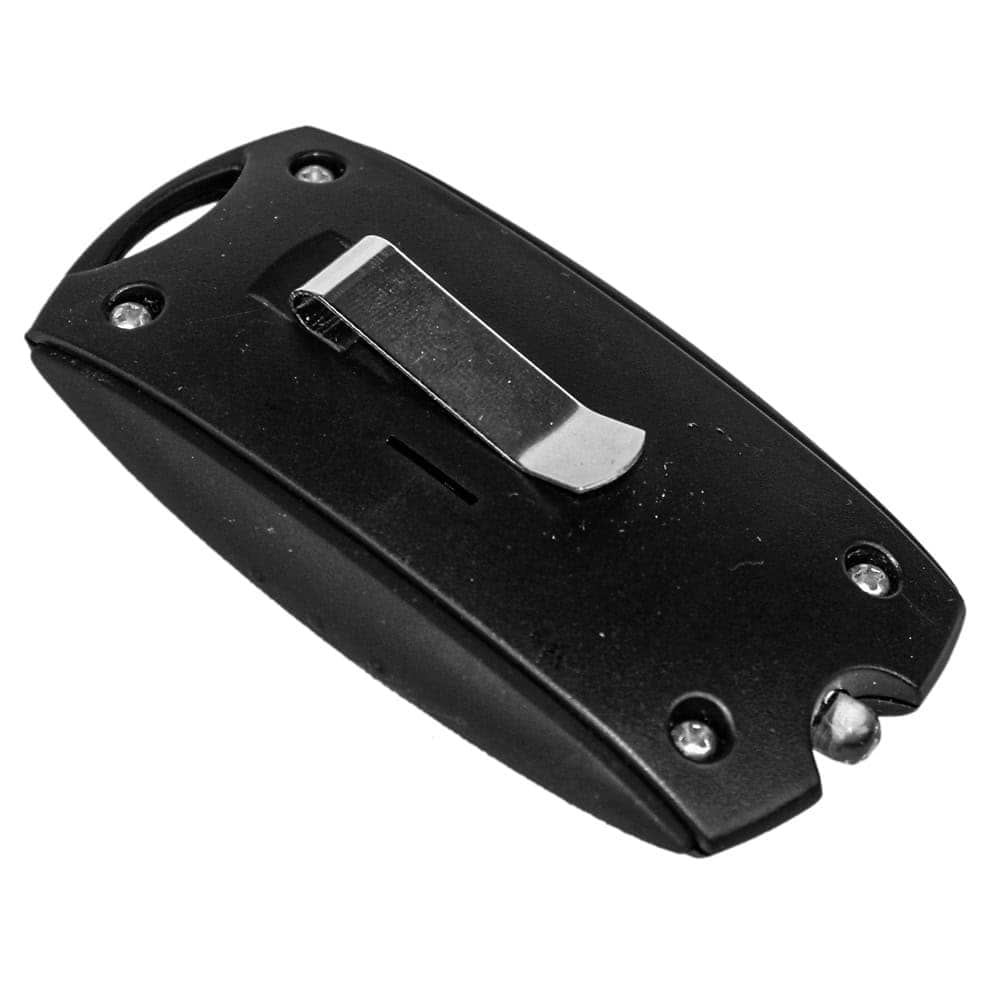
The activation mechanism on this alarm is straightforward: one clearly located button activates the siren, and the same button or a secondary control deactivates it. The design philosophy is that anything more complicated than that creates hesitation under pressure. In a stressful moment, simple is what works. The belt/visor clip and keychain ring give you two different carry configurations depending on how you typically move through your day — either option keeps the alarm within easy reach.
The built-in LED flashlight adds practical everyday value beyond the alarm function. If this device only activated in emergencies, it would likely spend most of its life at the bottom of a bag. A useful flashlight means you reach for it regularly, which means it stays accessible and you stay familiar with how it operates.
Quick Comparison: How Does This Personal Alarm Stack Up?
| Feature | Mini Personal Alarm | Pepper Spray | Stun Gun | Safety Whistle |
|---|---|---|---|---|
| Sound Output | 120dB ✓ | None | Electrical crack | ~100–110dB |
| Legal Everywhere | Yes ✓ | Most places | Most places | Yes ✓ |
| Built-In Flashlight | Yes ✓ | No | Some models ✓ | No |
| Requires No Training | Yes ✓ | Minimal training recommended | Minimal training recommended | Yes ✓ |
| Physical Intervention | No | Yes ✓ | Yes ✓ | No |
| Best For | Universal carry, drawing attention | Distance deterrence with active effect | Close contact with active effect | Minimalist backup signal |
Practical Details
Dimensions: 3 inches x 1.5 inches x 0.5 inches. Weight: listed as 0 oz (very lightweight). Power: 3 LR44 batteries, included. Output: 120dB siren. Includes belt/visor clip and keychain attachment ring. Available in black and pink. No special storage requirements. Replace batteries when siren output noticeably decreases. LR44 batteries are widely available at grocery, hardware, and electronics stores.
Small enough to carry everywhere, loud enough to matter — the Mini Personal Alarm earns its place on a keychain by being exactly the right size and doing its job reliably when you need it.
Frequently Asked Questions
How long do the LR44 batteries last in normal use?
LR44 batteries in a personal alarm have a long shelf life in standby — typically one to two years without activation. Active siren use drains the batteries faster, but since alarm activations are measured in seconds rather than hours, the batteries should last through the useful life of the device under normal carry conditions. A practical habit is to test the alarm for one to two seconds every few months to confirm the battery is still strong. If the siren sounds noticeably weaker than usual, replace all three batteries at the same time.
Is 120dB loud enough to be heard from a distance outdoors?
At 120dB, the alarm is audible at a considerable distance outdoors under typical conditions. Sound attenuates with distance — roughly 6dB per doubling of distance — so what registers as painfully loud at arm’s length is still a clear, attention-getting sound at 100 feet in a quiet environment. In noisy urban environments, range is reduced, but the alarm’s primary role at close quarters is to startle and disrupt, not to signal across a city block. In most realistic scenarios — a parking lot, a walking path, a residential street — 120dB is sufficient to draw attention and interrupt an aggressor’s focus.
Can this be used as a door or bag alarm?
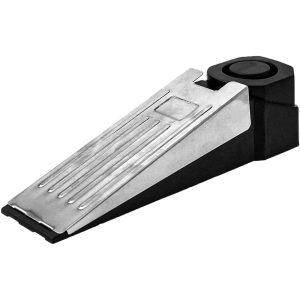
This model is a handheld personal alarm designed for keychain or belt carry — it’s activated manually by pressing the button. It doesn’t have a pin-pull or tamper-sensing mechanism like a dedicated door stop alarm or bag alarm. If you need a device that activates automatically when a door is opened or a bag is moved, a purpose-built door or bag alarm with a motion or tamper sensor is a better fit. This alarm is designed for personal carry use, where you control the activation yourself.
Is this appropriate for a child or teenager to carry?
A personal alarm is one of the most appropriate safety tools for younger users. There’s no active agent, no risk of misuse against the carrier, no permit requirements, and the operation is simple enough that it doesn’t require training to use correctly under stress. For school-age users, check whether the school has any policy on personal alarms — most don’t restrict them, but it’s worth verifying. Attach it to a backpack strap or keychain where it’s accessible but not so prominent that it becomes a distraction. Brief practice on how and when to activate it helps build confidence without creating anxiety.
Reviews
There are no reviews yet.