


The Home Party Model Works — When You Know What You’re Doing
A lot of people are familiar with the home party format from the big multilevel companies — candles, cookware, cosmetics. Those companies have proven the model works. What they’ve also done is take a significant cut of the revenue through commission structures and minimum order requirements. If you’re operating as an independent dealer, that overhead goes away entirely. Every dollar of profit stays with you. The trade-off is that you need to know how to run the event yourself, without a corporate training infrastructure behind you.
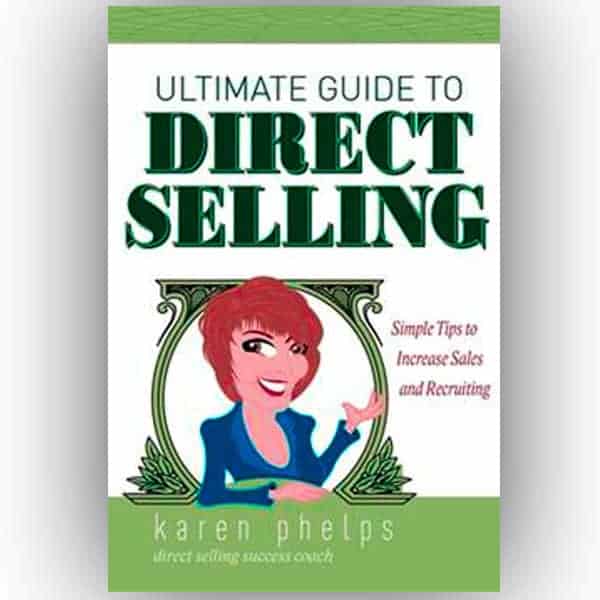
Karen Phelps’s book is exactly what fills that gap. It covers the mechanics of booking parties, conducting them well, and following up with hosts and customers afterward — which is where most of the repeat business and referrals come from. Self-defense products are particularly well-suited to the home party format because people are more willing to talk about personal safety in a comfortable, familiar environment among people they know than they are in a retail setting.
Who This Book Is For
Dealers who want to move beyond shows and table events and build a more relationship-based sales channel. Home parties generate sales and referrals in a way that one-time show encounters rarely do. The host’s social network becomes your audience, and a good experience leads to future bookings with the guests who attended.
People who are naturally comfortable in social settings but haven’t had a structured format to apply to selling. The discomfort most people feel about “selling” at a home party almost always comes from not knowing what the event should look like from start to finish. This manual gives you that structure — a clear flow that feels natural to run and comfortable for guests.
New dealers who want to start building a customer base before they’ve accumulated enough inventory for a full show table. A home party with 10 or 15 guests and a focused product selection is a lower-risk way to develop sales skills and generate initial revenue without committing to a booth fee and a full show inventory.
Is This the Right Choice for You?
Choose this book if you want:
- A practical guide to running home parties without a corporate training program behind you
- Specific skills for booking events, conducting them, and following up to generate repeat business
- A low-cost resource to support a sales channel that keeps 100% of the margin with you
- A complement to show selling or a standalone channel for building a local customer base
Consider something else if you need:
- Broad sales training across multiple channels — the Insider’s Guide to Selling Personal Security Products covers canvassing, phone, and group selling in addition to events
- Business formation or wholesale sourcing guidance — this book focuses specifically on home party execution
What the Book Covers and Why It Matters
The booking section is where most people need the most help. Knowing how to conduct a party is straightforward once you’ve done a few. Getting people to commit to hosting one is the harder skill, and it’s where most potential home party sales channels stall out. The book addresses this directly — how to approach potential hosts, what makes someone a good host candidate, and how to communicate what hosting involves in a way that makes it an easy yes.
The party-conducting skills cover the actual event flow: how to set up, how to introduce the products, how to create an environment where guests are comfortable buying, and how to handle the end of the event cleanly. The follow-up section is particularly valuable because most of the compounding value of home party sales — the referrals, the repeat customers, the future bookings from guests who were at the last party — comes from what happens in the days after the event.
The book also addresses the economics of running parties independently versus as part of a multilevel structure. The math is clear: when you don’t have to build commission margins into your pricing for a downline, you can offer better value to customers while keeping more of the sale yourself. For someone selling self-defense products at their own wholesale cost, that’s a meaningful structural advantage.
Quick Comparison: Sales Channels for Self-Defense Dealers
| Channel | Home Parties | Gun Shows / Trade Shows | Online / E-Commerce | Business-to-Business Canvassing |
|---|---|---|---|---|
| Relationship Building | High — personal setting ✓ | Moderate — brief interactions | Low — transactional | High — repeat visits ✓ |
| Startup Cost | Low — no booth fee ✓ | Moderate — booth + inventory | Moderate — platform + inventory | Low — just inventory ✓ |
| Repeat Customer Potential | High — referral-driven ✓ | Low — different audience each show | Moderate — SEO and email dependent | High — regular route ✓ |
| Inventory Required | Small focused selection ✓ | Broad mix needed | Broad or drop-ship | Moderate |
| Training Resource | This book ✓ | Insider’s Guide + Gun Show Package | SEO and platform training | Insider’s Guide (Canvassing chapter) |
| Best For | Social, relationship-focused dealers ✓ | High-volume event sellers | Dealers building passive income | Consistent local business development |
Practical Details
The Ultimate Guide to Direct Selling is a physical book by Karen Phelps, an experienced direct sales trainer with a background in home party business development. Price is $9.95. Ships free. Covers booking strategy, party conduct, host and customer follow-up, and independent business structure. At under $10 with free shipping, it’s a low-risk resource that can meaningfully change how you approach the home party channel. No warranty period applies to printed materials — all sales are final.
If the home party model is part of your sales plan, this book gives you the structure to run it right from the first event — skip the learning curve and start with a system that already works.
Frequently Asked Questions
Do I need prior sales experience to use the home party approach?
No. The book is written for people who are new to direct selling, not just those refining existing skills. Karen Phelps builds from the basics — what a home party is, how to approach a potential host, what the event should look like — before getting into more nuanced follow-up and referral strategies. Someone with no sales background can read this and walk into their first party with a clear plan. The format itself is approachable because it happens in a social environment most people are already comfortable in.
How many products do I need to run a home party?
A focused selection of 15 to 25 products is typically enough for a home party setting. You don’t need the breadth of a show table — you need enough variety to cover different customer needs and price points. For self-defense products, a mix of pepper sprays, a few stun gun options, personal alarms, and one or two conversation-starter items like diversion safes gives you a well-rounded presentation without overwhelming guests. The book covers product selection and presentation setup in the context of running the event.
How is this different from joining an MLM or direct sales company?
The core difference is ownership of the margin. When you sell through a multilevel company, your pricing has to accommodate commissions to you, your sponsor, and potentially others in the upline. That either compresses your profit or inflates your prices to customers. As an independent dealer buying wholesale from Safety Technology, you set your own prices with no commission structure above you. This book teaches you the same party-conducting skills those companies train their representatives in — without the overhead built into the model.
Can home parties work as a standalone business or do they work better combined with other sales channels?
Both work depending on the person running them. Some dealers build a full income from home parties alone by developing a consistent booking pipeline and a strong referral network. Others use home parties as one channel alongside shows or online sales — the relationship-building and repeat customer potential of parties complements the higher volume but lower relationship-depth of show selling. The book focuses on making the home party channel as productive as possible on its own terms, but the skills transfer well regardless of what other channels you’re running alongside it.