


A Tool That’s Been Around for Good Reason
The kubotan traces back to Japanese law enforcement training developed by Takayuki Kubota, who designed it as a non-lethal control tool for officers. It spread from there into civilian self-defense because the concept is sound: a rigid, hand-length cylinder extends your grip, concentrates force on pressure points, and gives you a striking surface that doesn’t require size or strength to be effective. Decades of use have validated the basic design, so this aluminum version doesn’t reinvent anything. It just executes it well.
The aircraft-grade aluminum keeps the weight at 0.17 pounds, which means it adds nothing noticeable to a keychain. You’ll carry it without thinking about it — which is exactly how daily carry tools should work.
Who This Kubotan Is For
People who want a self-defense option they can carry anywhere without drawing attention will find the kubotan practical. It looks like an oversized key fob. It passes through daily life without comment. That low profile makes it viable in environments where a stun gun or pepper spray would create friction — some workplaces, certain travel situations, or anywhere you want to remain unremarkable.
Martial arts practitioners and self-defense instructors who already understand pressure point technique will get immediate use from it. For beginners, the kubotan is also learnable — basic grip reinforcement and the hammerfist strike are intuitive with minimal instruction. Dealers who carry self-defense keychains will find this a consistent seller; it appeals to a broad range of buyers across experience levels.
Is This the Right Choice for You?
Choose the Kubotan if you want:
- A non-threatening, everyday carry tool that doesn’t look like a weapon
- Lightweight aluminum construction that adds nothing noticeable to your keychain
- A close-quarters option that’s legal to carry in most jurisdictions
- A straightforward tool with a long, well-established track record in self-defense training
Consider something else if you need:
- A distance deterrent — the kubotan is strictly a contact-range tool
- Something that works without prior training or practice — it rewards familiarity
What Aircraft-Grade Aluminum Actually Means in Practice
Aircraft-grade aluminum alloys are chosen for a specific combination of properties: high strength-to-weight ratio, good resistance to corrosion, and consistent material behavior under stress. In a kubotan, that translates to a tool that won’t crack, bend, or corrode on a keychain through years of daily carry. It takes impact without deforming, which matters when you need it to function as a rigid striking surface rather than a decorative accessory.
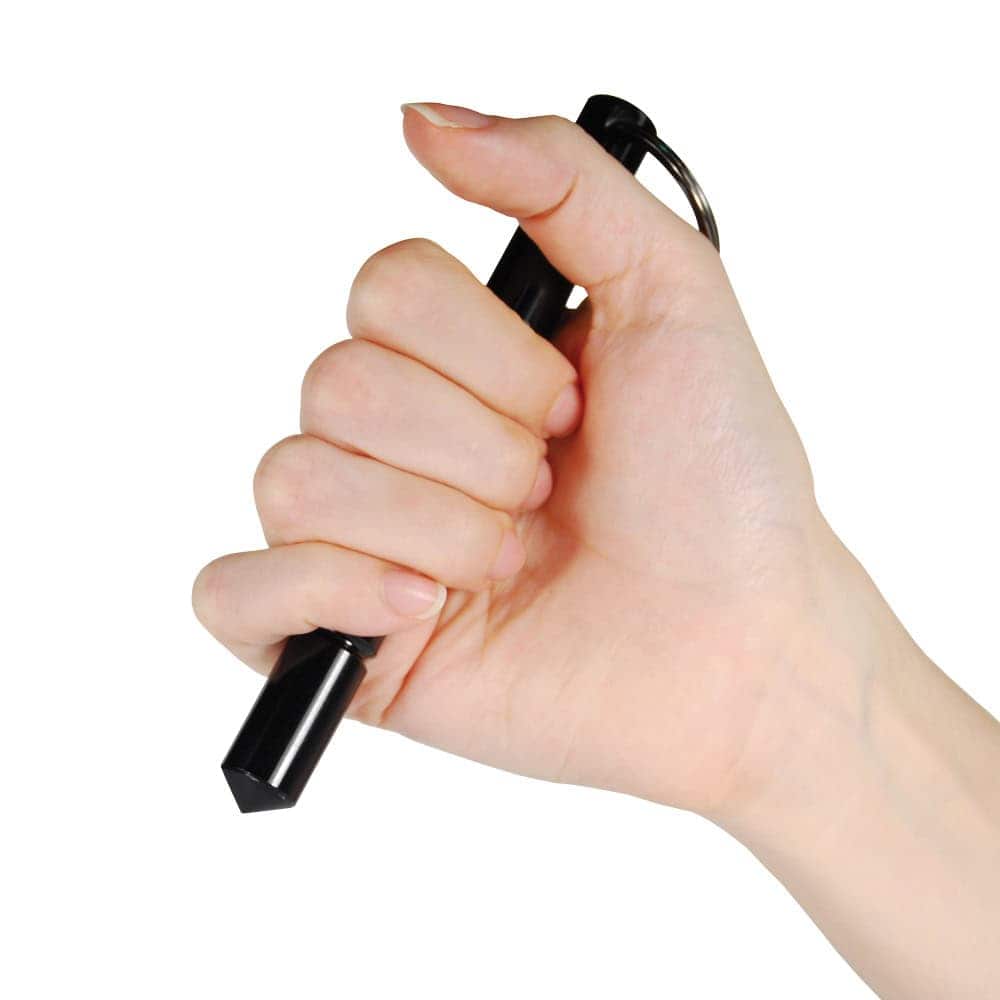
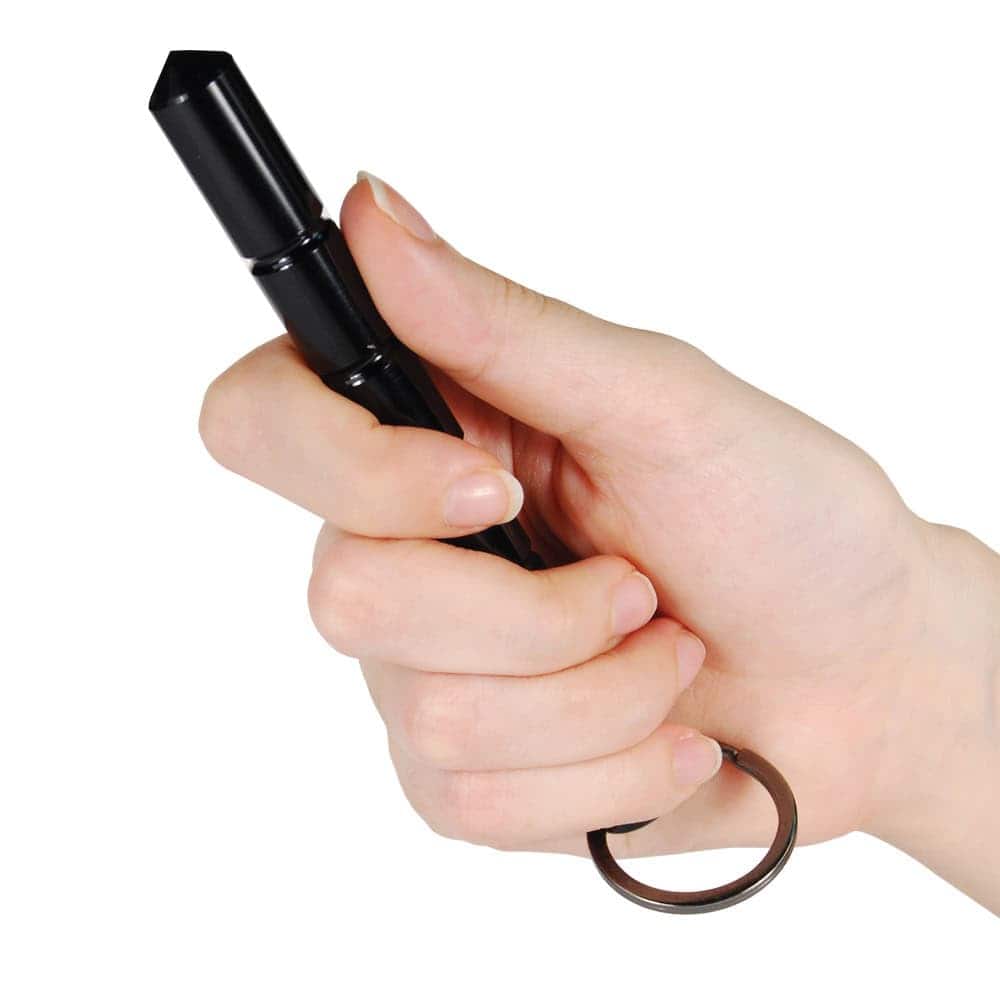
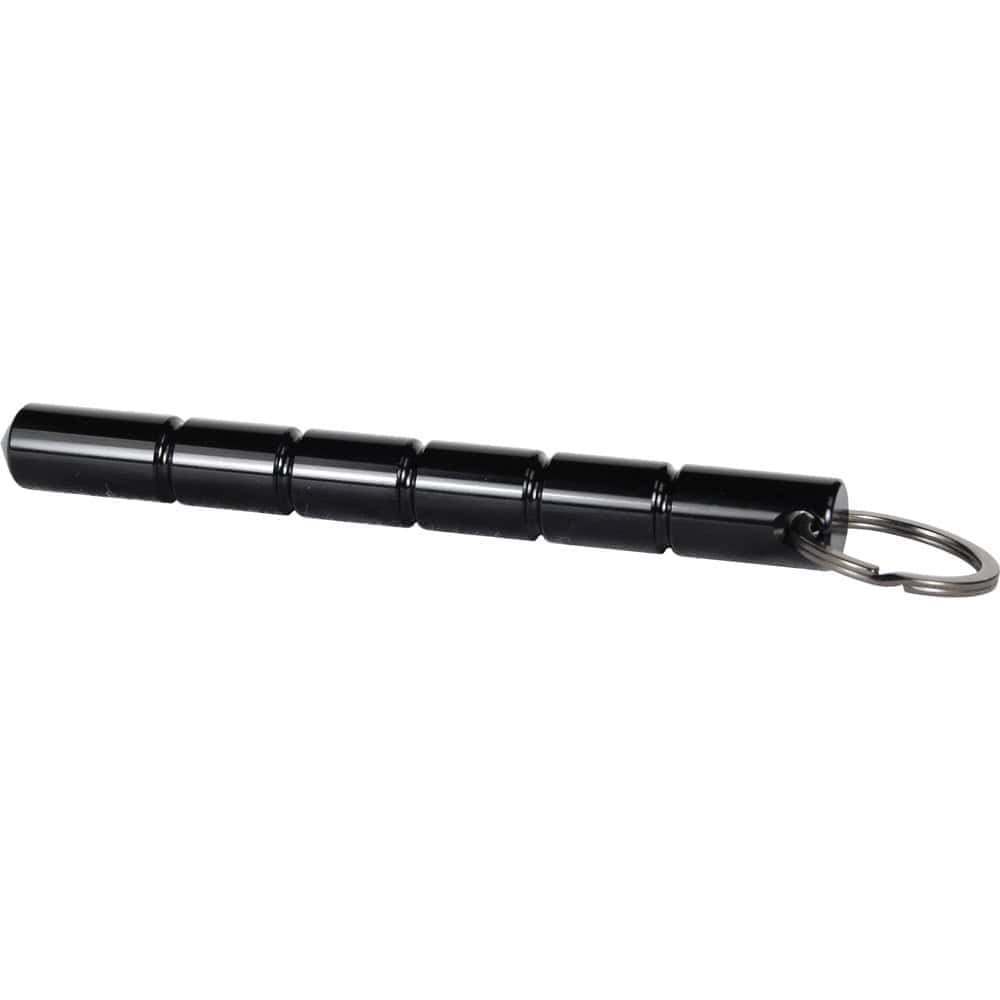
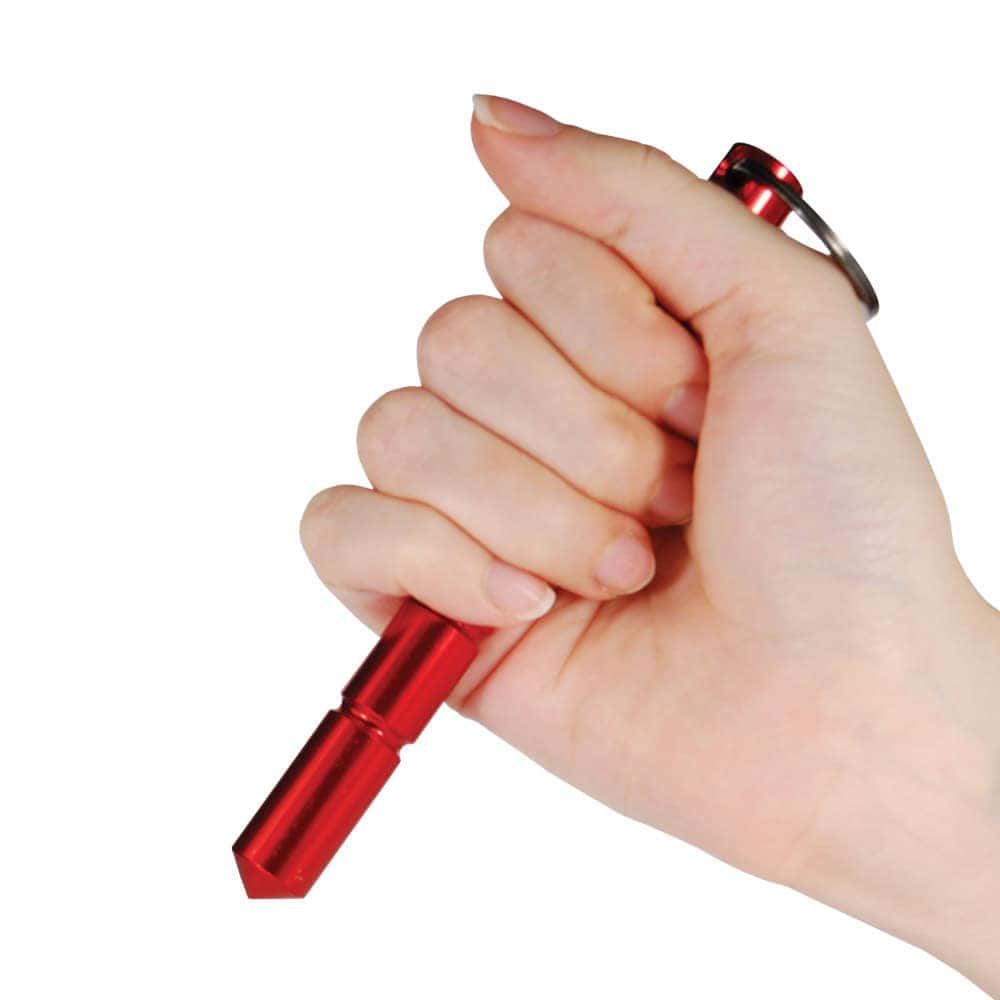
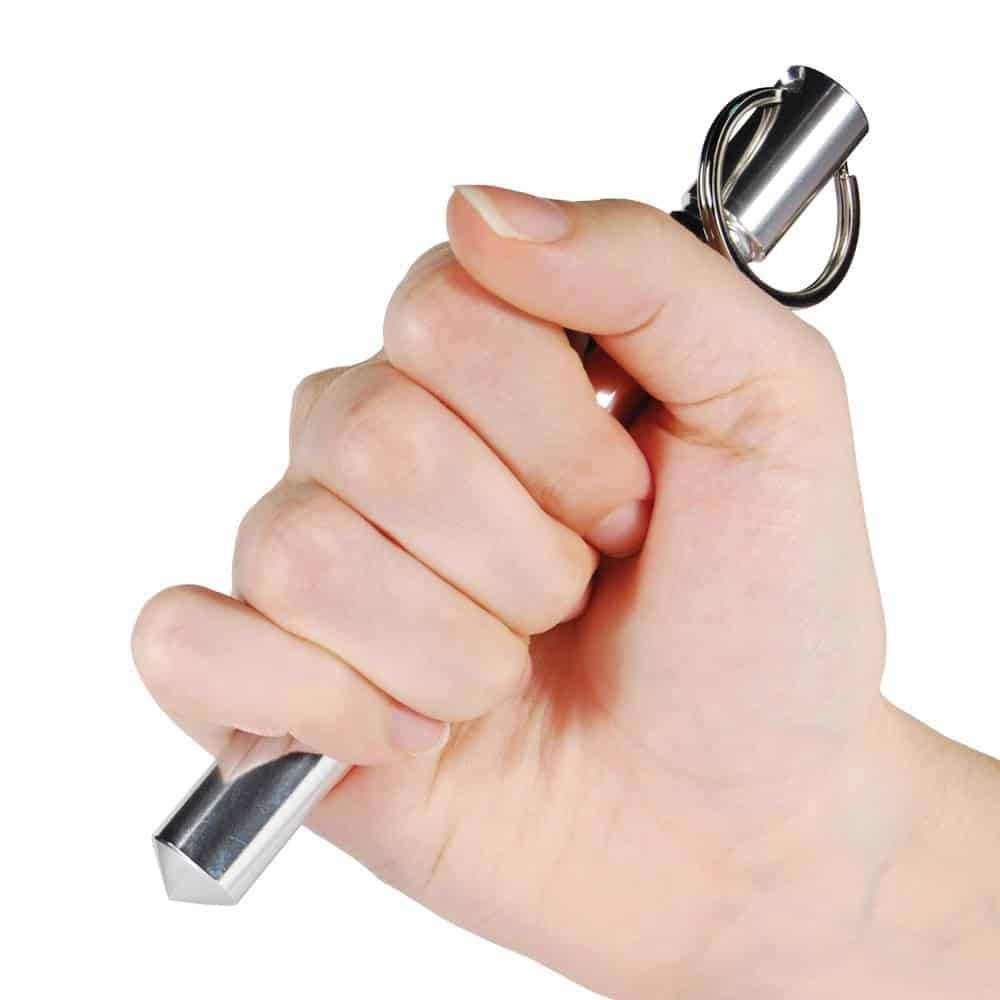
The 5.5 x 0.5-inch profile is the standard kubotan dimension for a reason — it fits correctly in a closed fist with the ends protruding on either side, which is the functional grip position for most techniques. Too short and you lose control surface; too long and it becomes awkward to carry. This size hits the practical balance point that the tool’s original design established.
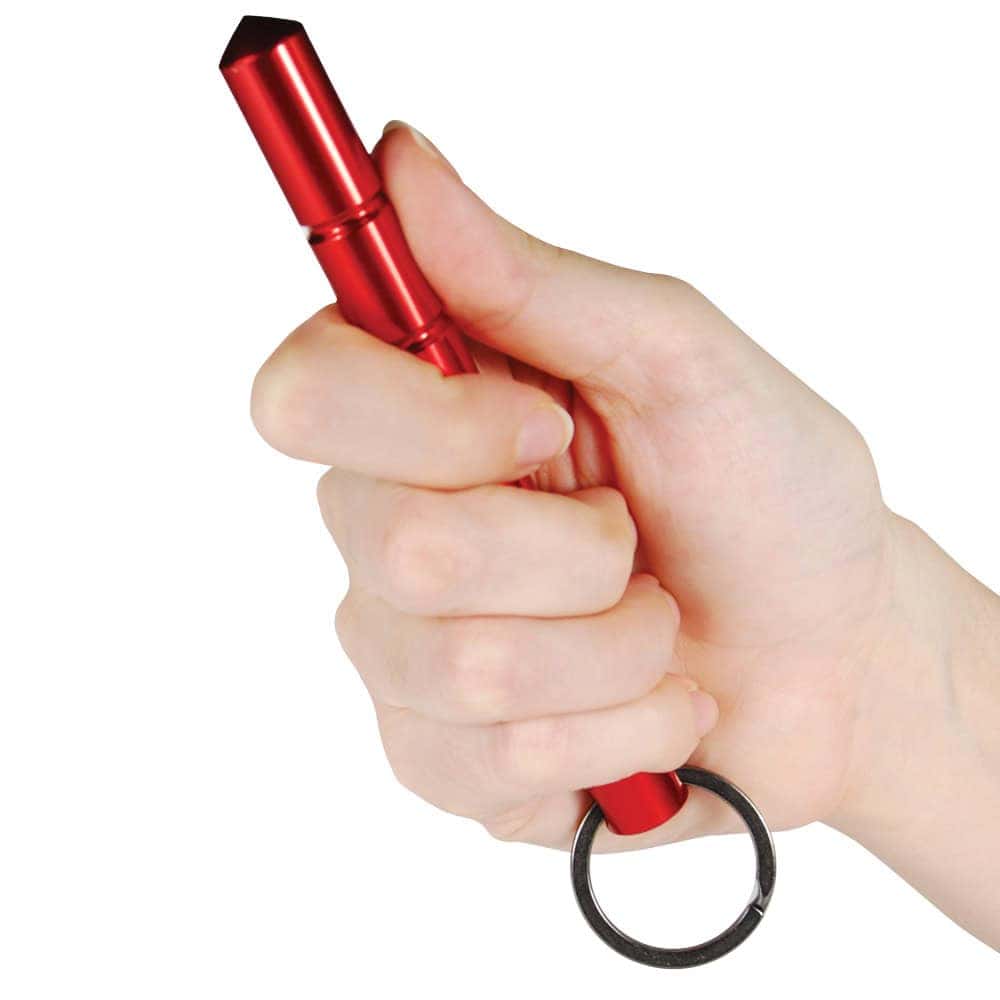
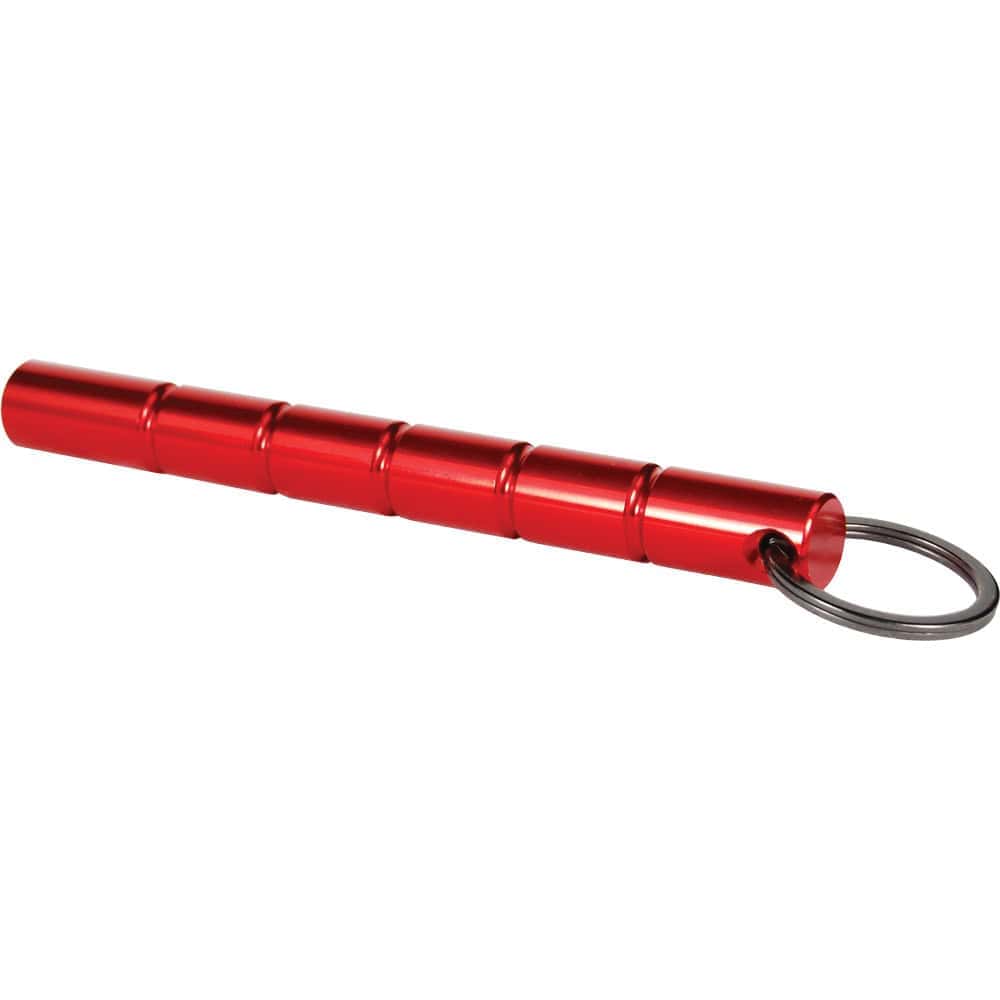
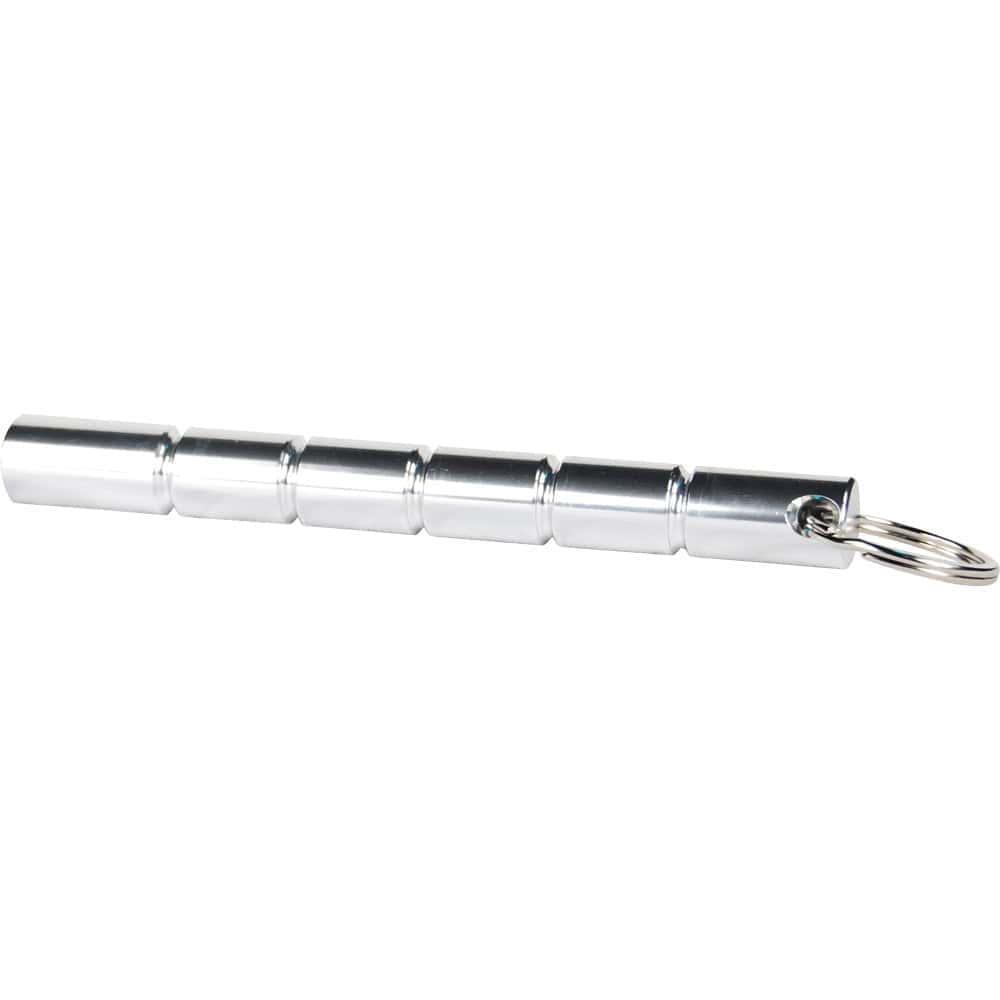
Three color options — black, red, and silver — make it easy to locate quickly in a bag or on a loaded keychain. That’s a small detail, but fast access is part of what makes any carry tool useful.
Quick Comparison: How Does the Kubotan Stack Up?
| Feature | Aluminum Kubotan | Pepper Spray | Personal Alarm | Tactical Pen |
|---|---|---|---|---|
| Carry Weight | 0.17 lbs ✓ | 0.1–0.3 lbs ✓ | Under 0.2 lbs ✓ | Under 0.2 lbs ✓ |
| Contact Range | Yes ✓ | No (6–12 ft) | No | Yes ✓ |
| Low Profile / Discreet | Yes ✓ | Recognizable | Recognizable | Yes ✓ |
| Requires No Refill/Recharge | Yes ✓ | No (depletes) | Battery needed | Yes ✓ |
| Affected by Wind/Blowback | No ✓ | Yes (spray) | No | No ✓ |
| Best For | Discreet close-quarters carry | Distance deterrence | Attention and deterrence | Discreet EDC striking tool |
Practical Details
Dimensions: 5.5 inches x 0.5 inches. Weight: 0.17 lbs. Material: aircraft-grade aluminum. Keyring included. Available in black, red, and silver. No batteries, no charging, no maintenance required beyond occasional cleaning. Check local laws before carrying — while the kubotan is broadly legal, some jurisdictions classify it under weapons statutes. Verify before you carry.
Simple tool, proven concept, built to last on your keychain for years — the kubotan earns its place by being exactly what it’s supposed to be and nothing more.
Frequently Asked Questions
Do I need martial arts training to use a kubotan effectively?
You don’t need extensive training, but some familiarity with the basic grip and a few core techniques makes a real difference. The fundamental uses — hammerfist strikes with the protruding end, grip reinforcement for wrist locks, and pressure on sensitive areas — can be learned in a short session with a qualified instructor or through basic self-defense resources. Carrying it on your keychain daily also builds unconscious familiarity with how it sits in your hand, which improves response time. Even modest preparation puts you well ahead of having nothing.
Is the kubotan legal to carry in airports and on planes?
The TSA does not permit kubotan keychain tools in carry-on baggage — they are specifically listed among prohibited items. They can be packed in checked luggage. Laws at the destination also matter; some states and municipalities classify kubotans under weapons statutes that restrict carry. If you travel frequently and want a keychain self-defense option that clears security, a loud personal alarm is worth considering as a complement or alternative for air travel.
How does aircraft-grade aluminum compare to steel for this type of tool?
Steel is denser and harder than aluminum, but the weight difference is meaningful for keychain carry. A steel kubotan at the same dimensions would roughly double the weight on your keychain. Aircraft-grade aluminum delivers adequate rigidity and impact resistance for a self-defense tool at a fraction of the weight. For a contact-range striking tool, the aluminum construction performs without compromise in daily carry conditions. Steel makes more sense for fixed tools that don’t need to be carried constantly.
Can the kubotan be used as a pressure point tool without striking?
Yes — pressure point application is one of the primary uses the kubotan was originally designed for. Applied to the back of the hand, the knuckles, or along the forearm, the focused tip creates significant discomfort with relatively light force. This technique is useful for compliance control in situations where a strike would be an overreaction. Law enforcement and security professionals use this application regularly. Learning it takes some practice and ideally some in-person instruction to locate the effective points accurately.


Reviews
There are no reviews yet.